

- Lawn Turf
- Paving & Stone
Get In Touch With Our Experts Today!
Give us a Call! - Composite Decking
- Soil
- Bark
- Dressing
- Artificial
- Timber
- Seed & Fertiliser

Sign up to get our latest news and blog posts in your inbox
January 05, 2026 Winter LawnWinter MowingWinter turf
No matter the season, when it comes to garden maintenance, mowing is often at the top of our list. But, if we don’t understand the importance of mowing, or better yet, how the different cut heights impact your turf, how will you get the most from it?
Cutting your lawn at the correct height can make all the difference as to whether your grass thrives or perishes. Mowing, in particular, is crucial to helping your grass survive winter conditions like rain, frost, and snow. This guide explains the best winter mowing heights for your lawn, along with when and how to mow, and common mistakes to avoid.
Winter often brings reduced daylight, increased moisture, and low temperatures. These conditions push lawns into a dormant state, where they remain alive but grow slowly. This helps protect and preserve your turf throughout winter.
Setting your mower too low can expose too much leaf and soil, making turf more vulnerable to the elements and leading to frost, rot, or moss invasions. It’s important to note that mowing in winter isn’t about achieving a manicure finish; it’s about strength and long-term lawn health!
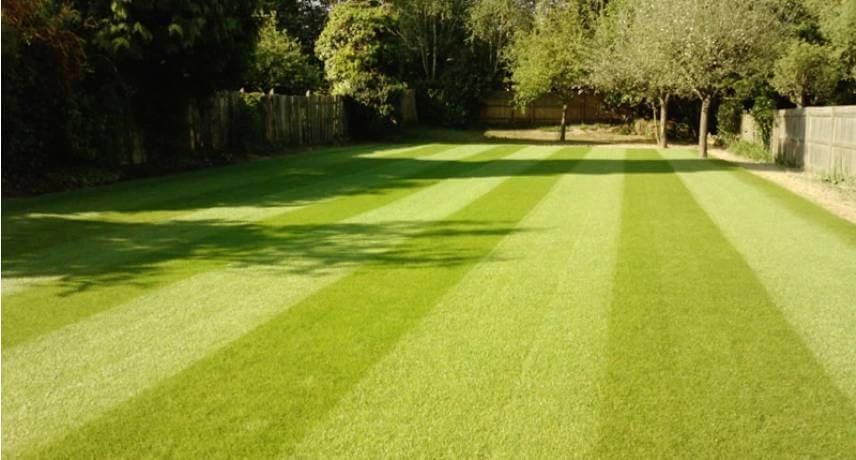
The ideal winter mowing height for natural grass turf is 40-50mm (1.5-2 inches). Most domestic and commercial lawns in the UK are composed of grass species such as ryegrass, fescue, and bent that can withstand UK winters. By maintaining a 40-50mm grass height offers a balanced level of protection, resilience, and a healthy appearance.
After years of mowing and maintaining turf, we’ve learned the hard way which mowing heights to stick to! Not just during winter, but throughout the entire year. To help you avoid the same mowing mistakes, stick to 40-50mm to ensure:
If your garden is particularly damp or shady and your lawn struggles during the winter, you may be better suited with a shade-resistant turf. These types of natural turfs, like our Shade Tolerant Turf, are formulated with grass species that thrive in low-light conditions to produce a strong, healthy lawn.
Here are our best practices for mowing your lawn right this winter:
Adjust your mower to a winter setting, which is usually the highest or second-highest setting. You never want to scalp a winter lawn, as it will put it into a stressed state.
Dull mower blades will do more harm than good to your lawn. They can tear rather than slice your grass, causing stress or browning that the lawn can’t recover from during winter conditions.
Unlike summer, you don’t need a mowing schedule. Keep an eye on your lawn and only mow if growing is consistent and your turf is tall enough to cut at the recommended winter height.
Only mow on dry days. If it’s been rainy and the lawn is sodden, mowing can churn up your turf. Frozen ground will also prevent a clean cut, increasing the risk of stressed turf and lawn fungal disease.
Whether you mow or not, it’s important to keep your lawn clear of debris that can block sunlight and oxygen from reaching the roots. Remove grass clippings, which can lead to thatch build-up and pest infestations.
After your final mow of the year, assess your lawn and tend to any thinning or discoloured areas. A winter fertiliser like Nourish will feed your lawn with key nutrients to help keep it strong, healthy, and resilient to winter conditions.
Along with knowing the different mowing heights, it’s important to know when to stop mowing altogether. As we said, grass growth slows during winter, so mowing will naturally decrease. We recommend stopping mowing once temperatures drop below 5°C and your grass stops growing.
The rule of thumb in winter is, if in doubt, don’t mow. However, it’s important to keep your lawn clear of fallen leaves and heavy snow, which could block essential sunlight and increase moisture levels.
Every great gardener knows that a well-mowed lawn is a healthy lawn – even in winter! As long as you keep your winter lawn at a height of 40-50mm, it has a strong chance of surviving winter conditions and thriving in the spring. High-quality turf also plays a big part in successful winter turf, and at George Davies Turf & Stone, we have a range of natural turf to meet your landscaping needs.
For more winter lawn questions, please don’t hesitate to contact our knowledgeable team or head to our Turf University, full of helpful seasonal guides.
Can I, and should I, mow my lawn during winter?
Yes, you can mow your lawn during winter, but only if the conditions are right. If your grass is taller than 70mm, you risk grass matting. Wait for a dry day and ensure the ground isn’t frozen before mowing your lawn at the highest mowing height (40-50mm).
What happens if I mow my lawn too short in winter?
If you cut your grass too short, you risk scalping the turf, exposing the grass and the ground to low temperatures. This can lead to frost damage, lawn diseases, and bare patches. It also weakens the root, meaning it cannot repair itself during winter and be ready for spring.
My lawn is still growing in winter, should I keep mowing?
If conditions are suitable for mowing, then the occasional light trim at 40-50mm won’t cause too much harm. We recommend mowing as and when needed, and as long as your grass height stays between 40-60mm, it’ll survive the winter.
It’s been a wet winter. Should I still mow my lawn?
No! If we’ve had heavy rainfall or prolonged rain, allow the ground to dry out. Waterlogged lawns lead to root damage and compaction, so mowing will only make matters worse. If your lawn struggles to drain water, consider aerating compacted areas to help the water soak into the soil.
 Satisfaction Guaranteed
 5 Star Reviews
 99.6% On-Time Delivery
 Open Trade Account