

- Lawn Turf
- Paving & Stone
Get In Touch With Our Experts Today!
Give us a Call! - Composite Decking
- Soil
- Bark
- Dressing
- Artificial
- Timber
- Seed & Fertiliser
Sign up to get our latest news and blog posts in your inbox
November 05, 2025 TurfTurf TipsWinter TipsWinter turf
You may think that colder temperatures, heavier rainfall, and the risk of frost will prevent your grass from growing. However, turf can still grow in winter! Whether that’s due to a strong root system, continuing mild temperatures, or the correct combination of ground preparation and seed mix. Grass growth in winter is possible. But is it good for your lawns?
In this article, we explain how you can help your grass grow in winter, the seasonal factors to consider, and our top tips for getting the most from your winter lawns.
Ultimately, yes, but not as quickly or successfully as in spring. In winter, your turf may appear dormant, which is a protective state it enters during colder months. But the root system underground is still active and can encourage growth. But turf requires key ingredients to grow, such as ample sunlight, warm temperatures, and adequate moisture. In winter, sunlight and temperatures drop significantly, while moisture levels rise, making it difficult for grass to grow.
You can lay grass seeds in winter, but it can be a bit of a gamble. For example:
If you do choose to lay grass seed in winter, perhaps to repair dry or bald patches on your lawn, we recommend using a cool-season grass seed. Where standard grass seed requires air temperatures of 9°C or more, grasses such as ryegrass can germinate at temperatures as low as 3°C. Go one step further and look for a winter grass seed that combines winter lawn repair for an added bonus.
Yes! Repairing dry or bald lawn patches can help you get a head start before spring. It can also help thicken grass, making it more resilient and better able to survive. Winter can be a friend or foe to gardens. On the one hand, there are fewer weeds and less watering and mowing is required. On the other hand, there’s a higher risk of waterlogging, frost damage, and weakened sward, which can impact your overseeding results.
In ideal conditions (autumn or spring), turf takes 2 to 4 weeks to root and fully establish. In winter, turf can take up to 8 weeks to fully anchor in. Seasonal factors, such as excess rain, lower soil temperatures, snow, and frost, can influence root growth.
‘Can I lay turf in winter?’ is an ongoing question. The quick answer is, yes. Turf can be installed at any time of the year, as long as the ground isn’t frozen. The secret to successful turf is proper ground preparation, which you cannot achieve when the ground is frozen. If you choose to lay turf in winter, we have a wealth of guides and advice to help you install your new lawn correctly:
It’s important to note that slower or zero grass growth during winter is a natural occurrence. There are only a couple of instances where you would encourage growth, such as lawn repair or turf installation. If you’re repairing an existing lawn or laying new turf, there are some quick wins to ensure your grass grows in winter:
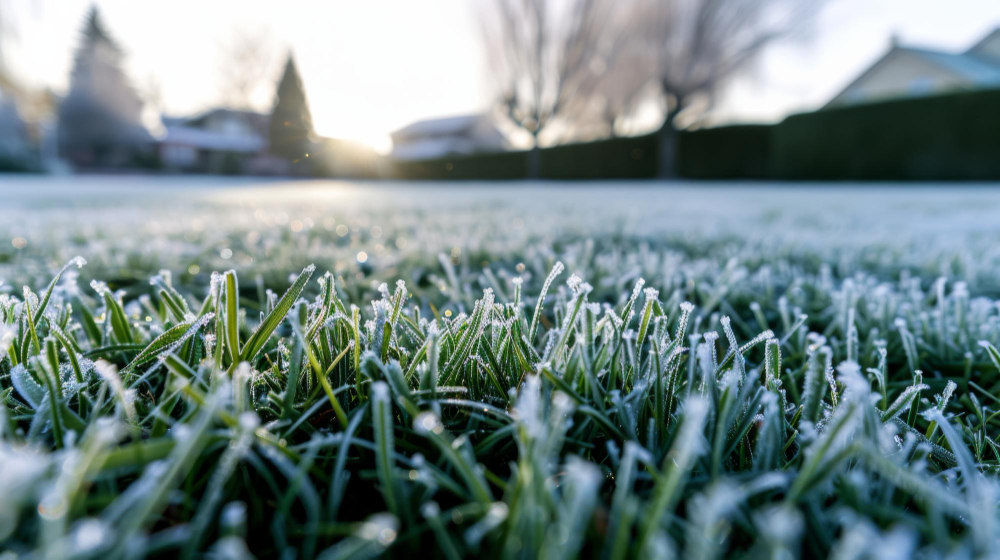
Although you can lay turf in winter, there is always a risk that the weather will drop and freeze within a couple of days. Frost isn’t a major problem; if the sun is out, it will melt and hydrate your turf. The issue with frost is that it can slow root establishment, which, in turn, can affect the condition of your turf.
However, there are ways you can protect new turf from frost:
If you’re thinking about laying new turf this winter or want to ensure your existing lawn is set up for a strong spring, now’s the perfect time to act. Explore our turf varieties, visit our turf university for seasonal advice, or contact our customer service team to answer your turf-related queries. Your lawn will thank you for it!
 Satisfaction Guaranteed
 99.6% On-Time Delivery
 Open Trade Account