

- Lawn Turf
- Paving & Stone
Get In Touch With Our Experts Today!
Give us a Call! - Composite Decking
- Soil
- Bark
- Dressing
- Artificial
- Timber
- Seed & Fertiliser

Sign up to get our latest news and blog posts in your inbox
January 12, 2026 FertilisingLawn FeedingWinter Fertiliser
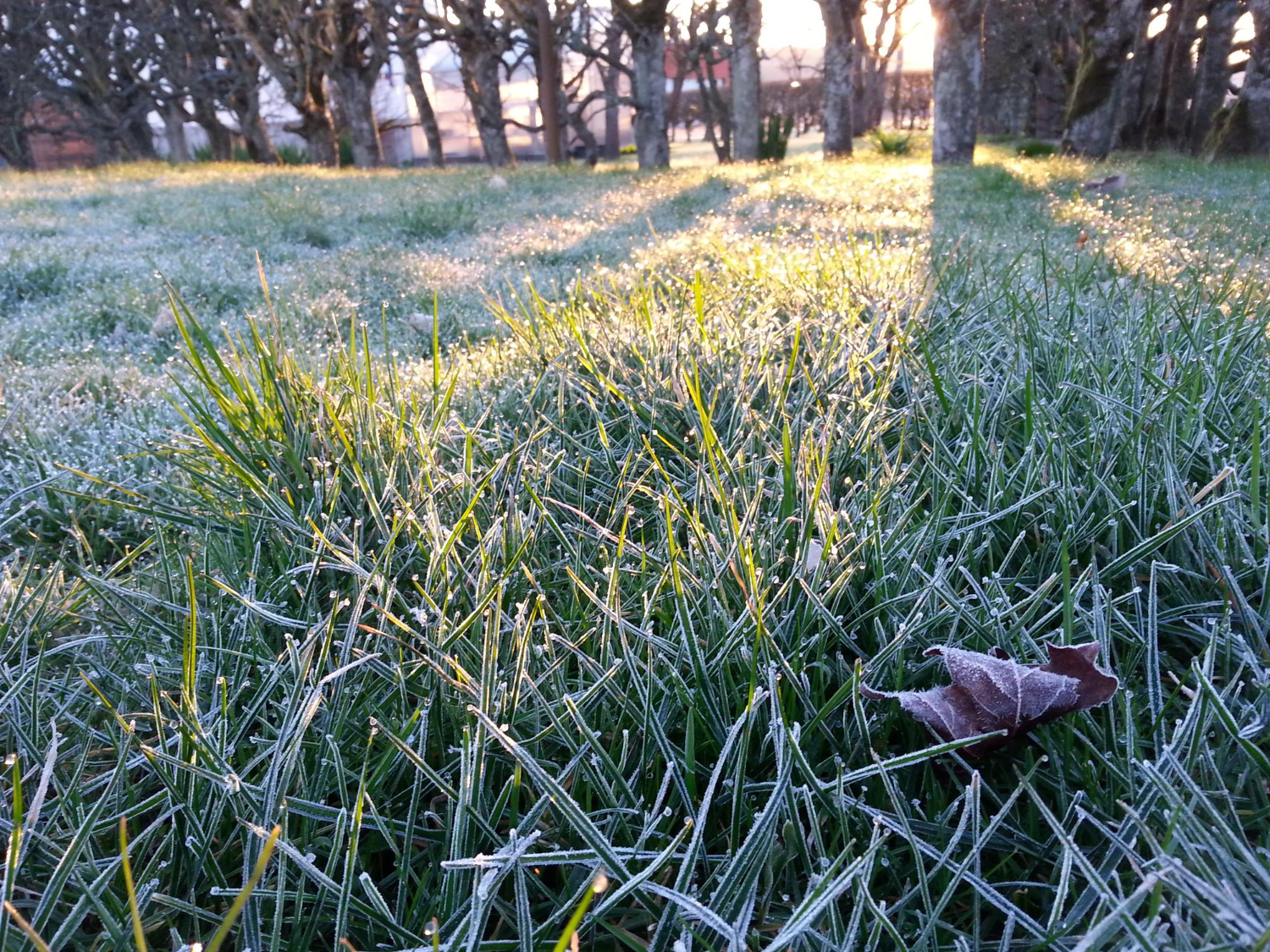
A lush spring lawn starts with supporting your grass through the harshest time of the year, winter. During this period, temperatures drop, growth slows, and bright green grass fades. It’s easy to pause lawn maintenance, but that’s the worst thing you could do!
After nearly three decades in the turf industry, we know that winter is the most vital time of year to invest in your lawn, and more importantly, fertilising! This article highlights that with the right winter fertiliser, you can help strengthen your lawn’s roots, improve soil health, and get your lawn ready to bounce back come spring.
Unlike spring fertiliser, which focuses on grass growth, winter fertiliser is formulated to increase nourishment and resilience. Winter fertiliser helps turf withstand colder conditions, minimising turf stress and preparing it for spring success. How does winter fertilising work? With four key ingredients:
Like most things, timing is key when it comes to winter fertilising. Ideally, aim for late autumn/early winter, before air temperature drops below 8 °C. If it’s too cold or the ground is frozen or waterlogged, you will not reap the benefits of fertilising. You also miss the window to build your turf’s resilience before winter conditions arrive.
Top tip: Check the release period of your winter fertiliser, as it indicates when to apply it to your lawn. For example, a 6-8 slow-release fertiliser should be used in early October, so by December, your turf is strong enough to withstand the cold.
Read more: What Temperature is Too Cold to Fertilise Your Lawn
Follow our easy 6-step guide to effectively apply winter fertiliser to your lawn:
Read more: How and When to Fertilise Your Lawn
Phosphorus plays a crucial role in fuelling and strengthening your turf’s root system. Whether it’s a young or established lawn, winter fertiliser can encourage deeper roots that can source vital nutrients during the winter.
Lawns are naturally exposed to the elements, making them vulnerable to increased rainfall, freezing winds, frost, and snow. Potassium helps turf tolerate colder conditions, which is especially important with high-traffic and commercial lawns.
Low light levels and winter conditions create ideal conditions for lawn fungus to thrive. However, winter fertiliser can help turf withstand higher levels of damp and frost while combating lawn diseases that favour dark, damp conditions.
Healthy soil supports healthy turf. If you have high-quality, resilient soil, it should be reflected in your turf’s health. High-quality fertilisers improve microbial activity and soil nutrient levels, supporting a stronger, more durable lawn.
Ultimately, how you care for your turf in winter will influence the condition and appearance of your lawn come spring. Lawns that are well-fertilised in winter will grow more evenly, fuller, and maintain a bright, healthy colour.
Winter fertilising is one of the smallest investments you can make, with one of the biggest impacts! If you’re unsure whether liquid or granular fertiliser is better for you, or how to effectively apply fertiliser to your lawn, speak to our knowledgeable customer service team today.
For our landscapers ordering large quantities of turf for customers, be sure to add spring and winter fertiliser to your order to maintain a professional-looking lawn year-round. The George Davies Trade Account can help you here.
Does winter fertilising work if my lawn isn’t growing?
Yes! Even though above-ground growth is slow, grass roots remain active and require more attention. Winter fertiliser supports root strength, development, and resilience, promoting consistent growth and rapid recovery in spring.
Can winter fertiliser burn my lawn?
When applied correctly – following the manufacturer’s instructions and in the right conditions, winter fertiliser will not burn your lawn.
How often should I fertilise my lawn during winter?
Typically, one application of fertiliser during winter is sufficient. It all comes down to timing, and as long as you time your application right, it will see your lawn through to spring.
What’s the best type of winter fertiliser for my lawn?
The best winter fertilisers should have a phosphorus to build strength and resilience, with lower levels of nitrogen and potassium.
Should I use a granular or liquid winter fertiliser on my lawn?
The type of winter fertiliser application you choose depends on your lawn size and personal preference. Liquid applications are faster and more consistent for larger lawns, whereas granular fertilisers are ideal for small areas.
CALL US NOW ON 01234 818 253
 Satisfaction Guaranteed
 99.6% On-Time Delivery
 Open Trade Account