

- Lawn Turf
- Paving & Stone
Get In Touch With Our Experts Today!
Give us a Call! - Composite Decking
- Soil
- Bark
- Dressing
- Artificial
- Timber
- Seed & Fertiliser

Sign up to get our latest news and blog posts in your inbox
October 29, 2025 Autumn TipsTurf Tips
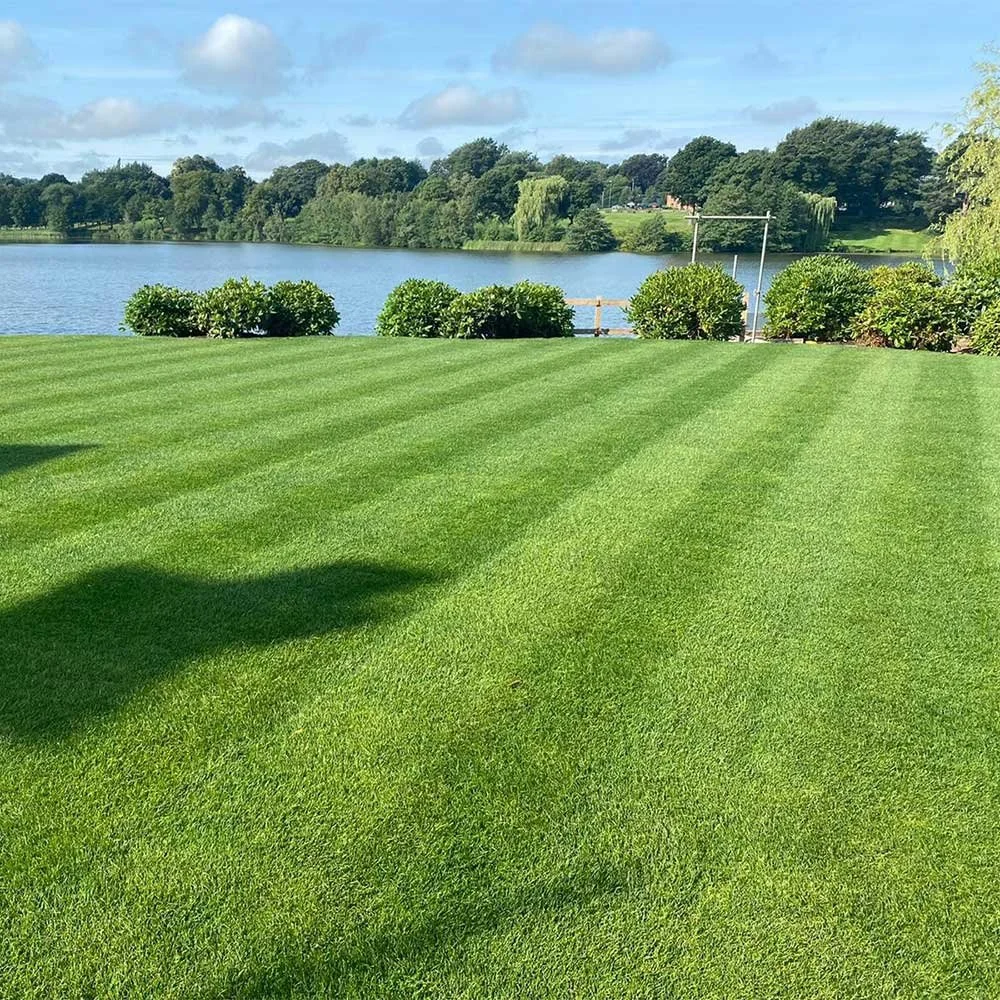
At George Davies Turf & Stone, we’ve supplied thousands of rolls of fresh turf to homeowners and landscapers across the UK, throughout the year. One of the biggest misconceptions we hear is that autumn is too late to lay turf. In our opinion, autumn is one of the best times of the year to lay turf!
In this article, we explain why autumn is a good time to lay turf, the benefits of autumn turf laying and how you can achieve the perfect lawn by laying turf before winter sets in.
Content Overview:

Absolutely! Autumn is widely considered one of the best times to lay turf and install a new lawn in the UK for multiple reasons:
One of the biggest advantages of laying turf in autumn is the balance between warm soil and cooler temperatures.
While your soil is warm, grass roots will grow and strengthen, allowing your turf to establish and thrive quickly. Meanwhile, the cooler air temperatures mean less moisture is lost through evaporation, and your grass won’t stress in the heat.
Read More: Is Your Turf Stressed?
Autumn naturally brings more rainfall, making it much easier to keep newly laid turf hydrated and reduce your watering costs.
You still need to monitor moisture levels with new turf, as consistent moisture encourages the grass roots to knit into the soil, develop strong systems to find reserves, and reduce the risk of turf drying out.
Read More: How Often Should You Water New Turf?
The most important part of laying new turf is what’s going on underneath the soil. Root establishment is key for a long, strong and healthy lawn.
Whether you’re laying turf in September, October or November, autumn allows plenty of time for your new turf to settle and anchor into its new home before colder conditions set in.
With a strong root system established, your new turf will be able to survive the winter and thrive come spring.
As summer ends, gardens and lawns naturally become quieter, with less footfall. This makes it an ideal time to lay turf and leave it to settle.
New turf needs about 2 weeks for initial rooting, and up to 4 to 6 weeks for a fully established lawn. The less disturbance your new turf experiences, the better chance it has of rooting quickly and successfully.
Read More: How Soon Can I Use My New Lawn?
Ultimately, all of the above benefits lead to a healthier, greener and more resilient lawn come springtime.
It also allows you to repair any struggling patches or add a spring fertiliser to give it an added boost ready for increased usage. You don’t have to panic come spring to get your lawn summer-ready; you can enjoy it as soon as the weather warms up!
Autumn doesn’t just benefit turf; it helps those laying it too.
Cooler temperatures make physical labour more comfortable for landscapers and gardeners, allowing your new turf to be installed more efficiently and without the worry of intense summer heat.
Autumn brings more predictable temperatures, which makes every step of turf laying – ground preparation, installation and aftercare – more manageable.
To give your new lawn the best possible start in autumn, follow these tips from our turf experts:
Read More: Autumn Leaves, Autumn Lawn
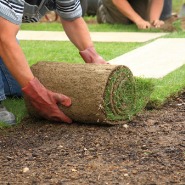
Laying turf is no different to laying turf any other time of the year. You can follow our detailed step-by-step turf installation guide with a video tutorial by George himself!
Whether you’re installing a brand new lawn or upgrading an existing one, autumn offers some of the best conditions for laying fresh turf.
At George Davies Turf & Stone, we supply premium-quality turf to help landscapers and homeowners achieve that perfect lawn.
If you’re unsure which type of turf is right for you, or need any further advice when installing turf, don’t hesitate to contact our friendly team, who are happy to help.
Yes! September and October are two of the best months to lay turf as autumn offers the best conditions for turf – warm ground temperatures, cool air temperatures and increased rainfall all help with turf establishment and spring growth.
New autumn lawns take approximately 2 weeks for initial rooting, and 4 to 6 weeks for strong root systems to establish.
We recommend 3 weeks before giving your lawn its first cut. If you’re laying in late autumn, this may be all it needs until it begins actively growing in spring.
The only times you should not lay fresh turf are when the ground is frozen or waterlogged. In these conditions, it is hard to prepare the ground effectively, so your turf will not anchor correctly to create a strong, healthy lawn.

CALL US NOW ON 01234 818 253
 Satisfaction Guaranteed
 99.6% On-Time Delivery
 Open Trade Account