

- Lawn Turf
- Paving & Stone
Get In Touch With Our Experts Today!
Give us a Call! - Composite Decking
- Soil
- Bark
- Dressing
- Artificial
- Timber
- Seed & Fertiliser
Sign up to get our latest news and blog posts in your inbox
August 06, 2026 Autumn Tips
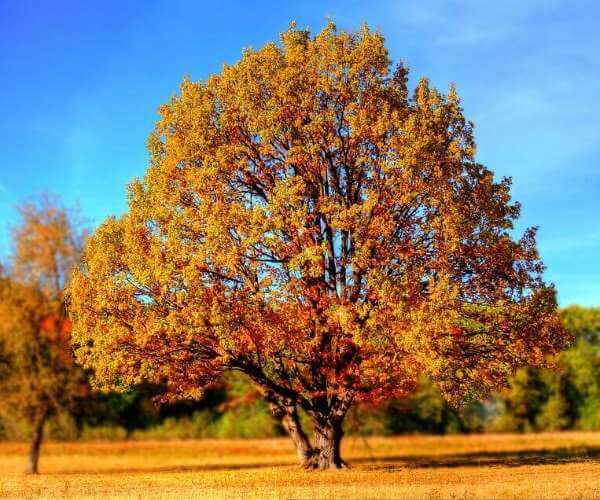
As beautiful as a golden carpet of amber, yellow and orange leaves may be, fallen leaves might not be the best thing to leave on your lawn. In this article, we cover why fallen leaves on your grass can be a bad thing, top tips on how to stay on top of them, and how to get the most from your autumn lawn.
Content Overview:
The short answer is yes, but only if they’re left for too long.
A thin layer of fallen leaves across your lawn won’t cause much damage, so don’t panic if you can’t clear them straight away. But if you leave your pile of leaves to grow and cover your lawn, thick, damp leaf piles will:
Read More: Guide to Lawn Fungus and Disease
If you don’t remove fallen leaves from your lawn, you’re preventing your grass from receiving essential oxygen and sunlight that’ll support it through winter.
Unless we have a particularly windy summer, fallen leaves tend to appear as autumn arrives. But autumn is also a key time when our lawn builds reserves to survive winter conditions.
If you leave a layer of leaves on the surface of your turf, it’s not receiving the nutrients it needs, potentially leading to:
Read More: Is Your Turf Stressed?
If you’re wondering how to remove autumn leaves without damaging your grass, you’re in the right place.
There are several easy and effective ways to clear leaves from your lawn, including:
This is ideal for small lawns or patches impacted by fallen leaves. Using a garden rake, drag it across the lawn to gather loose leaves. Once in a pile, gather and dispose of them in your compost or garden waste bin.
Rake fallen leaves regularly to avoid large, troublesome piles.
Read More: Should I Leave Grass Clippings on My Lawn?
Leaf blowers are perfect for bigger leaf piles and larger gardens. Direct your blower in one direction so the leaves gather in one spot – you don’t want to be chasing them all over the garden!
If you have a lot of leaves, gather them into a wheelbarrow to move them easily.
We only recommend mowing over fallen leaves if they’re dry and there’s only a thin layer. Thick, wet layers of leaves will clog your mower and reduce effectiveness.
Check that your mower blades are sharp and in good condition for a clean cut through the leaves and grass.
Read More: What Height Should I Mow My Lawn?
If you’re looking to recycle your fallen leaves into highly-nutrient compost for your flowerbeds, then try mulching your autumn leaves.
You will need a mulcher attachment for your lawn mower, which will cut fallen leaves into a fine mulch, which can be spread on top of flowerbeds to protect them through winter.
Leaf mould acts as a nutrient-rich soil conditioner that improves the quality of your soil and helps feed your flowerbeds.
To create your own leaf mould, collect your fallen leaves into a black bin bag, compost bin or chicken wire cage. Leave your leaves to rot down, which can take 1-2 years, especially if you continue to add to it.
Once they’ve all rotted, you’ll have a soft, moist, soil-like mixture which you can spread throughout your garden.
As you put your garden to bed for winter, you can use shredded or whole leaves as a protective layer under shrubs and on flowerbeds.
A thin layer of leaves will help suppress weeds, retain moisture and shield roots from the cold. As a bonus, the leaves will naturally break down, adding their nutrients into the soil.
Read More: How to Prepare Your Lawn for Winter
You can put your leaves to good use and help your local wildlife survive the colder months.
Loose piles of leaves in quiet corners of your garden will give hedgehogs and frogs a safe haven. Or how about creating a bug hotel and tucking leaves into the gaps to create a protective place for smaller insects and critters?
Once you’ve cleared your lawn of fallen autumn leaves, now is the best time to start your autumn lawn care routine.
Our top suggestions to support your lawn in autumn include:
If we are experiencing a warm start to autumn with minimal rainfall, you may notice your grass is still growing. Once your grass is clear of leaves, give it one final mow. Keep the cut height fairly high to help protect your grass when frost hits.
Read More: The Importance of Mowing Your Lawn
Autumn is a great time to scarify your lawn – it means your grass can take the winter months to recover from summer, and prepare for a healthy spring regrowth.
Use a scarifier or rake to remove dead grass and any moss build-up. As you move across your lawn, the scarifier will make small cuts into the soil that’ll allow water, oxygen and nutrients to get through and feed the grass roots.
This is also the perfect time to feed your lawn with an autumn-based lawn fertiliser.
Autumn lawn feeds like Nourish Autumn Lawn Feed are rich in phosphates and potassium, which will encourage a healthy lawn and help develop strong roots that’ll support your lawn through winter.
Read More: What Temperature Is Too Cold to Fertilise a Lawn?
Once you’ve cleared fallen leaves, you may notice areas of stunted growth, discolouration or even bare patches.
Now is the perfect time to overseed these areas with a high-quality grass seed. Apply grass seed to the struggling areas, along with an autumn-ready grass feed, and water the area if it’s not due to rain.
By overseeding your lawn in autumn, it has time to re-establish grass roots and build a strong resilience to survive the winter.
Read More: When to Overseed Your Lawn
To stay on top of those fallen leaves and keep your garden looking neat and tidy throughout autumn, follow these simple steps:
If fallen leaves are damaging your lawn, get in touch with our knowledgeable team, who can advise on the best solution and aftercare, including feeding and seeding, and even turf replacement.
We recommend not leaving fallen leaves on your lawn over winter, as they create a blanket on top of your turf and prevent essential sunlight and oxygen from reaching your grass.
During heavy leaf fall, we recommend raking or clearing leaves from your lawn every few days. This will make it a more manageable task and keep your lawn healthy.
Leaf mould is a bit like compost in texture – dark, moist and spongy – but it is made entirely from decomposed leaves. It makes a great soil conditioner that you can add to your flowerbeds for additional nutrients.
Absolutely! Adding leaves to your compost increases its nutrient level, which can be used as a soil conditioner for flowerbeds and borders.
Yes, provided they’re dry and not too thick. A mulching mower might be more appropriate as it can cut dry leaves into smaller pieces.
CALL US NOW ON 01234 818 253
 Satisfaction Guaranteed
 99.6% On-Time Delivery
 Open Trade Account